The Top Benefits of Implementing a Preventive HVAC Maintenance Plan

A well-functioning HVAC system is essential for comfort and air quality in any building. Yet many property owners wait until something breaks before calling for repairs. This reactive approach often leads to higher costs, unexpected downtime, and reduced system lifespan. A preventive HVAC maintenance plan changes that by focusing on regular check-ups and upkeep to keep the system running smoothly. This blog post explores the key benefits of adopting such a plan and how it can save money, improve efficiency, and enhance comfort.
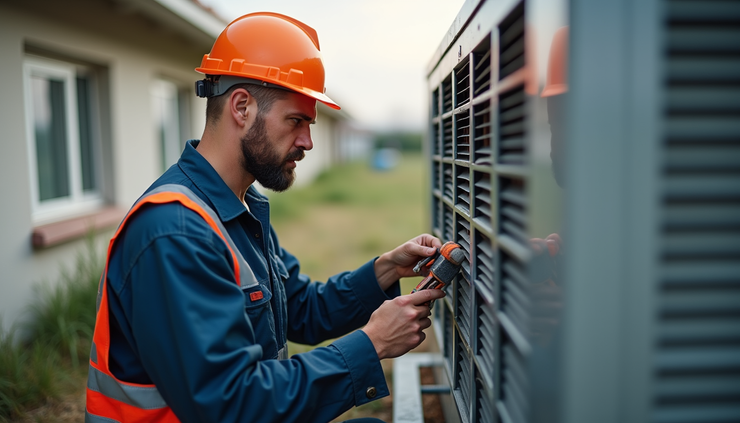
Lower Repair Costs and Fewer Breakdowns
One of the biggest advantages of preventive HVAC maintenance is catching small issues before they turn into costly repairs. Regular inspections allow technicians to identify worn parts, leaks, or electrical problems early. Fixing these minor problems is usually much cheaper than replacing major components or the entire system.
For example, a clogged air filter can cause the system to work harder, leading to overheating or compressor failure. Replacing filters regularly as part of a maintenance plan prevents this scenario. Similarly, tightening electrical connections and lubricating moving parts reduce the risk of sudden breakdowns.
By reducing unexpected failures, a maintenance plan also minimizes emergency service calls, which tend to be more expensive and disruptive.
Improved Energy Efficiency and Lower Utility Bills
HVAC systems consume a significant portion of energy in homes and commercial buildings. When components are dirty or malfunctioning, the system uses more energy to maintain the desired temperature. Preventive maintenance keeps the system clean and well-tuned, which improves efficiency.
For instance, cleaning coils and checking refrigerant levels help the system cool or heat more effectively. A well-maintained system avoids overworking, which lowers electricity or gas consumption. Studies show that regular HVAC maintenance can reduce energy use by 10 to 15 percent, translating into noticeable savings on utility bills.
Extended Equipment Lifespan
HVAC units represent a major investment, often costing thousands of dollars. Extending their lifespan delays the need for costly replacements. Preventive maintenance supports this goal by reducing wear and tear on components.
Routine tasks like cleaning, lubrication, and calibration keep the system running within optimal parameters. This reduces stress on parts such as compressors, fans, and motors. As a result, equipment lasts longer and performs better throughout its life.
For example, a study by the U.S. Department of Energy found that well-maintained HVAC systems can last up to 30 percent longer than neglected ones.
Enhanced Indoor Air Quality and Comfort
A clean and well-maintained HVAC system improves indoor air quality by reducing dust, allergens, and pollutants circulating in the air. Changing filters regularly and cleaning ducts prevent buildup that can trigger allergies or respiratory issues.
Properly functioning systems also maintain consistent temperatures and humidity levels, enhancing comfort. Preventive maintenance ensures sensors and controls work correctly, avoiding hot or cold spots in the building.
This benefit is especially important for households with children, elderly residents, or people with asthma or allergies.
Compliance with Warranty Requirements
Many HVAC manufacturers require regular maintenance to keep warranties valid. Skipping scheduled service visits can void warranties, leaving owners responsible for repair costs that might otherwise be covered.
A preventive maintenance plan documents all inspections and repairs, providing proof of proper care. This helps protect the investment and ensures warranty claims are honored if needed.
Peace of Mind and Convenience
Knowing that your HVAC system is regularly checked and maintained provides peace of mind. You avoid the stress of unexpected breakdowns during extreme weather or busy times. Scheduled maintenance visits are usually planned in advance, minimizing disruption.
Some maintenance plans also include priority service or discounts on repairs, adding extra value and convenience.
How to Get Started with a Preventive HVAC Maintenance Plan
Implementing a preventive maintenance plan is straightforward. Start by contacting a reputable HVAC service provider to discuss your system’s needs. Most companies offer customizable plans that include:
Regular inspections and tune-ups
Filter replacements
Cleaning of coils and ducts
Checking refrigerant levels and electrical connections
Lubrication of moving parts
Testing system controls and safety features
Ask about service frequency, typically twice a year for heating and cooling systems, and any additional benefits like emergency service or discounts.
Real-Life Example: Savings from Preventive Maintenance
Consider a commercial office building that invested in a preventive HVAC maintenance plan. Before the plan, the building experienced frequent breakdowns, leading to emergency repairs costing over $5,000 annually. After starting regular maintenance, repair costs dropped by 60 percent, and energy bills decreased by 12 percent. The system’s lifespan extended by several years, delaying a $20,000 replacement. This example shows how preventive maintenance pays off in both the short and long term.


Comments